 Sigríður Björnsdóttir
EV Charging Networks in Iceland Compared: ON, Ísorka and Tesla
Three charging networks compared: coverage, pricing, speed, connectors, and which app to download before your trip.
 Sigríður Björnsdóttir9 min read
Iceland's EV charging network is excellent — but winter cold slashes your range by up to 40%. Here's how to plan charging stops, pre-condition your battery, and drive the Ring Road confidently in an EV.
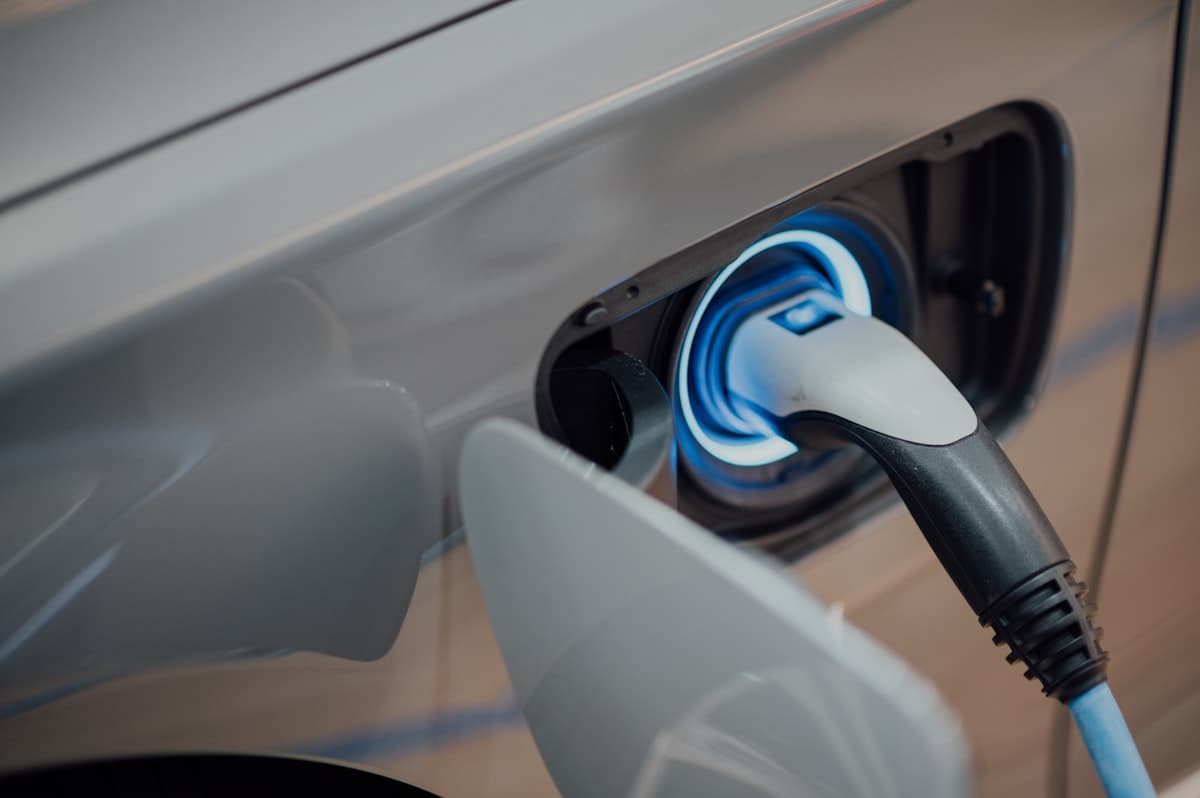
Iceland's EV charging network — built primarily around the Reykjavík capital area and the Ring Road — is excellent by international standards. Over 90% of Iceland's electricity comes from renewable sources (geothermal and hydroelectric), making EV driving here among the greenest transport options anywhere on earth. But winter introduces specific challenges that pure EV drivers must understand before leaving the capital region or attempting the Ring Road in January.
Lithium-ion batteries lose capacity in cold temperatures. This is a chemical reality — cold slows the electrochemical reactions that produce and store electricity. In Iceland's winter temperatures (typically -5°C to -10°C in the interior, occasionally -20°C or colder in the north and east), drivers can expect:
A vehicle rated at 400 km in WLTP conditions may realistically deliver 250–280 km in Icelandic winter conditions. This dramatically changes the planning required for Ring Road legs — particularly the sparse East Fjords, where charger spacing can be 100+ km apart.
The primary charging networks in Iceland are:
The largest fast-charging network in Iceland, operated with N1 fuel stations. CCS and CHAdeMO fast chargers are available at most N1 stations around the Ring Road. Charging speeds range from 50 kW to 150 kW depending on location. The N1 app handles payment and shows real-time charger availability.
Many Icelandic guesthouses and hotels on the Ring Road now offer Type 2 AC charging (22 kW) for guests overnight. Always call ahead to confirm availability and to reserve a charging slot.
Iceland's national power company operates a growing network of chargers, particularly in areas not served by N1.
The Ring Road is approximately 1,332 km long. In winter, with reduced range, planning must account for:
Use the PlugShare app alongside the N1 app — PlugShare includes user-reported availability updates and comments about charger conditions (frozen connectors, out-of-service units).
Not all EVs are equal in cold conditions. Heat pump equipped vehicles — which extract thermal energy from outside air rather than using resistive heating elements — perform significantly better in cold weather:
Iceland's EV charging infrastructure is genuinely impressive for a country of 370,000 people. With proper planning — conservative range estimates, pre-conditioning, strategic charging stops, and the right apps — the Ring Road in an EV in winter is absolutely achievable. The key is to plan each leg before you leave, never rely on arriving at a charger with less than 20% battery, and always have a Plan B for your next closest charger.
Three charging networks compared: coverage, pricing, speed, connectors, and which app to download before your trip.
Sigríður Björnsdóttir9 min read
A comprehensive guide to EV charging in Iceland — charger locations, apps, costs, and tips for driving electric across the island.
Sigríður Björnsdóttir8 min read
Charging map for every Ring Road section, summer vs winter feasibility, cost comparison with petrol, and the critical East Fjords gap.
Sigríður Björnsdóttir12 min read